- Summary
- Fact Sheet
- More Information
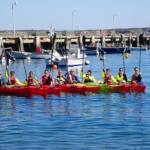
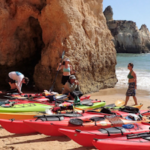
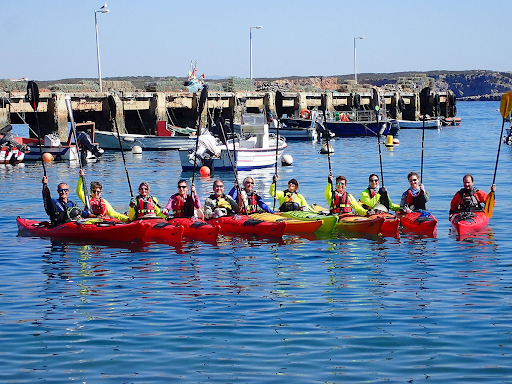
Kayaking and canoeing activities in Portugal, particularly in estuaries and lagoons such as the Algarve coastal systems, are increasingly linked to nature interpretation and sustainable tourism. Objectives like raise awareness of biodiversity, fragile ecosystems and sustainable tourism practices through low-impact activities. Guided kayak tours combine physical activity with environmental interpretation, focusing on birdlife, wetlands, water quality and habitat conservation. Participants receive guidance on minimal-impact behaviour. Kayaking is a non-motorised, low-impact sport that enables direct contact with ecosystems while promoting conservation ethics.
Key learning objectives:
Learning outcomes include the knowledge development about estuarine and lagoon ecosystems, species protection, and responsible outdoor behaviour.
Importance of water sport:
This good practice contributes to the following United Nations Sustainable Development Goals (SDGs):
- SDG 13 – Climate Action: by promoting awareness of climate impacts on the ocean shore, encouraging low‑carbon, and nature‑based sporting practices.
- SDG 14 – Life Below Water: by fostering respect for marine ecosystems and supporting their protection through responsible sport practices.
Target Groups/Clients:
Tour operators, environmental guides and sport tourists.
Good practices:
This practice is replicable in rivers, estuaries, and coastal regions.
Event Website/Social Media:
Gallery